

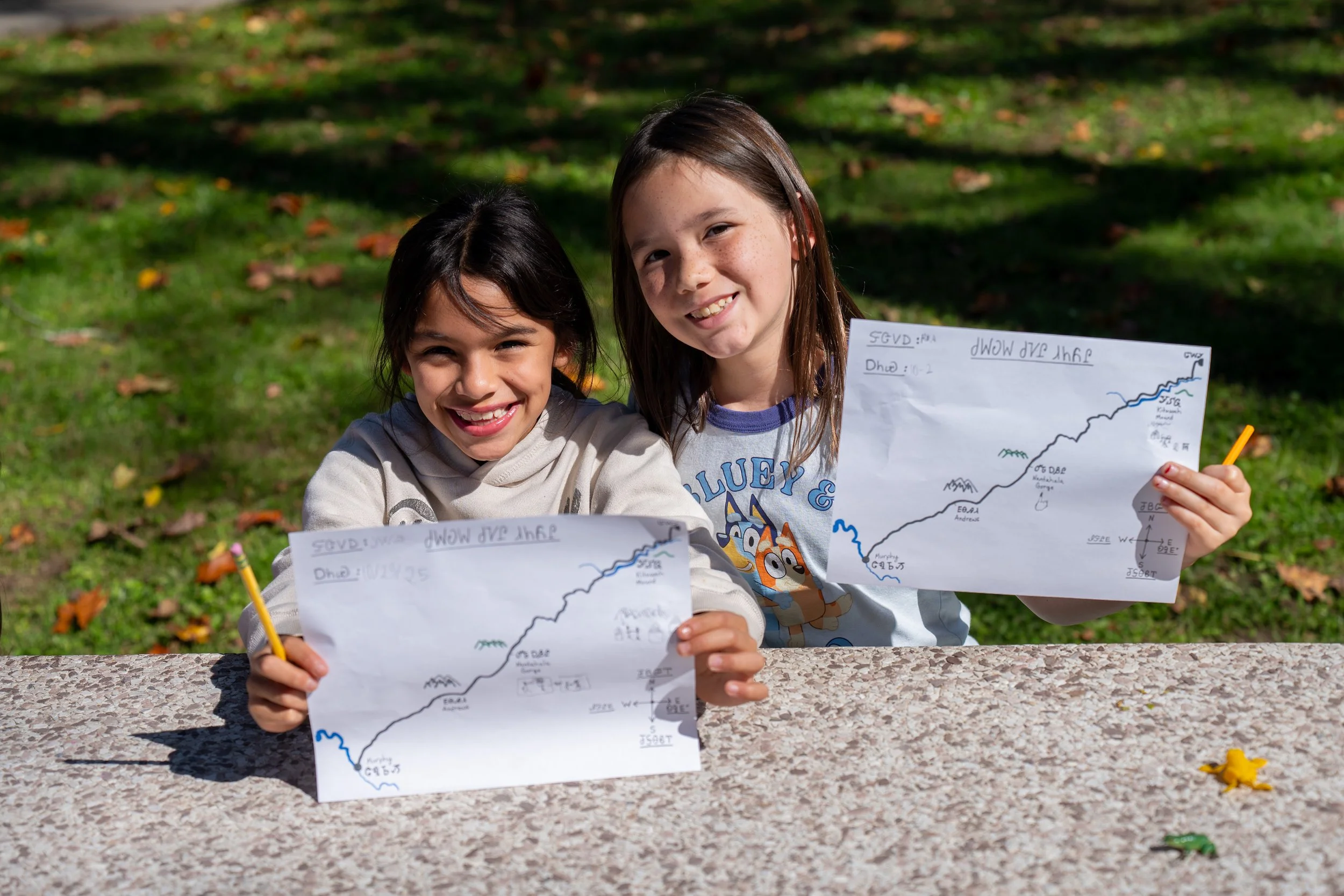
Weaving Intergenerational Pathways
Intergenerational Knowledge
Program Director
Katie Tiger
Choctaw Nation of Oklahoma
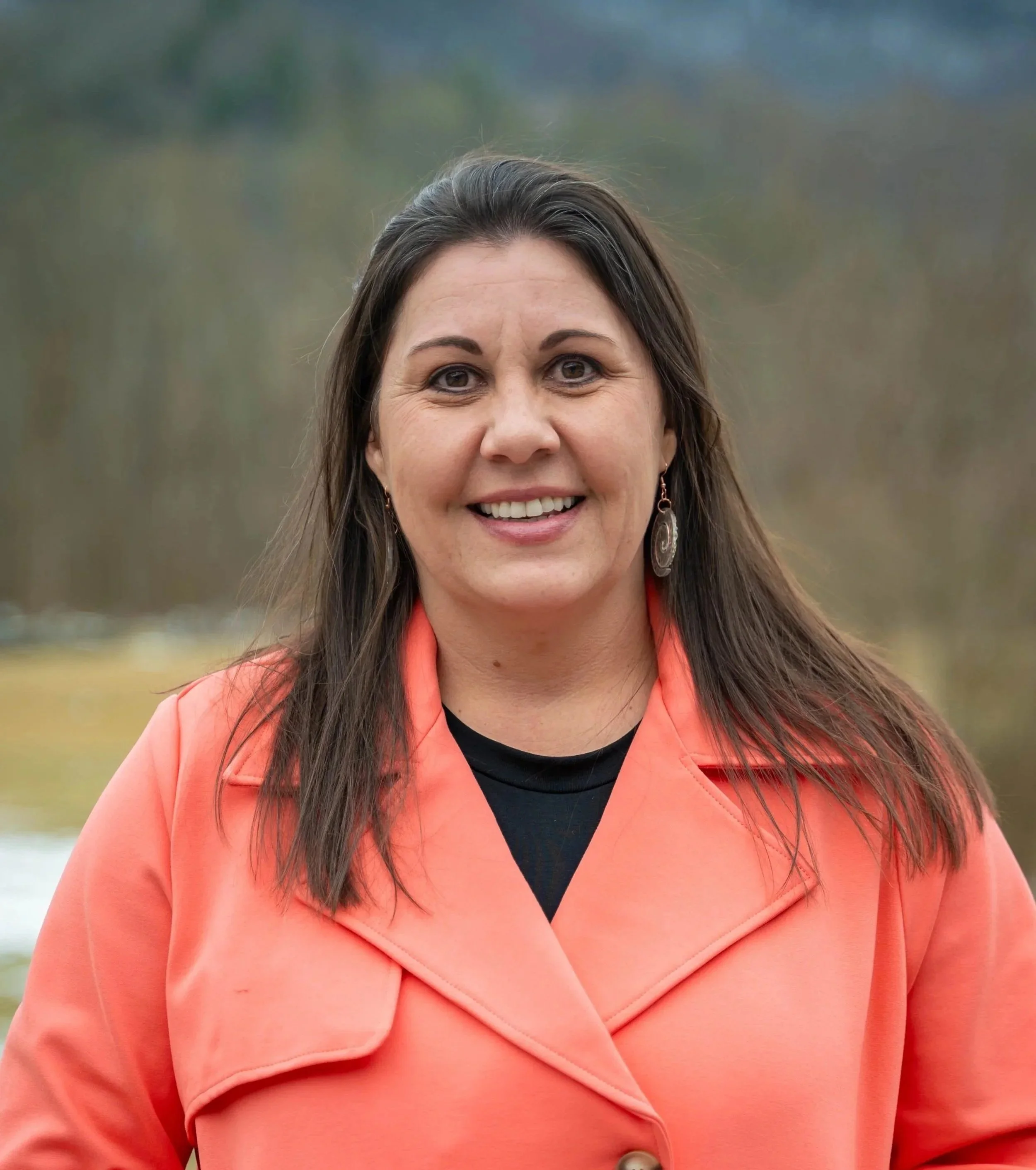
“Weaving Intergenerational Pathways means bringing together the knowledge, skills, and experiences of elders, adults, and youth to create a continuous flow of learning and connection. It honors how learning is not one-directional, it moves in circles, between generations, through stories, practices, and relationships. It suggests that education isn’t just taught, it’s woven, with each generation adding their own strand to strengthen the community.”
-

Annual Medicine Walk
Free and open to the public, this event is led by Executive Board member Onita Bush. Carrying a wealth of traditional knowledge, Onita provides culture-based care for her remote rural community. Onita’s knowledge of Native plants for medicinal purposes and nutrition has made her an invaluable resource in her community.
-
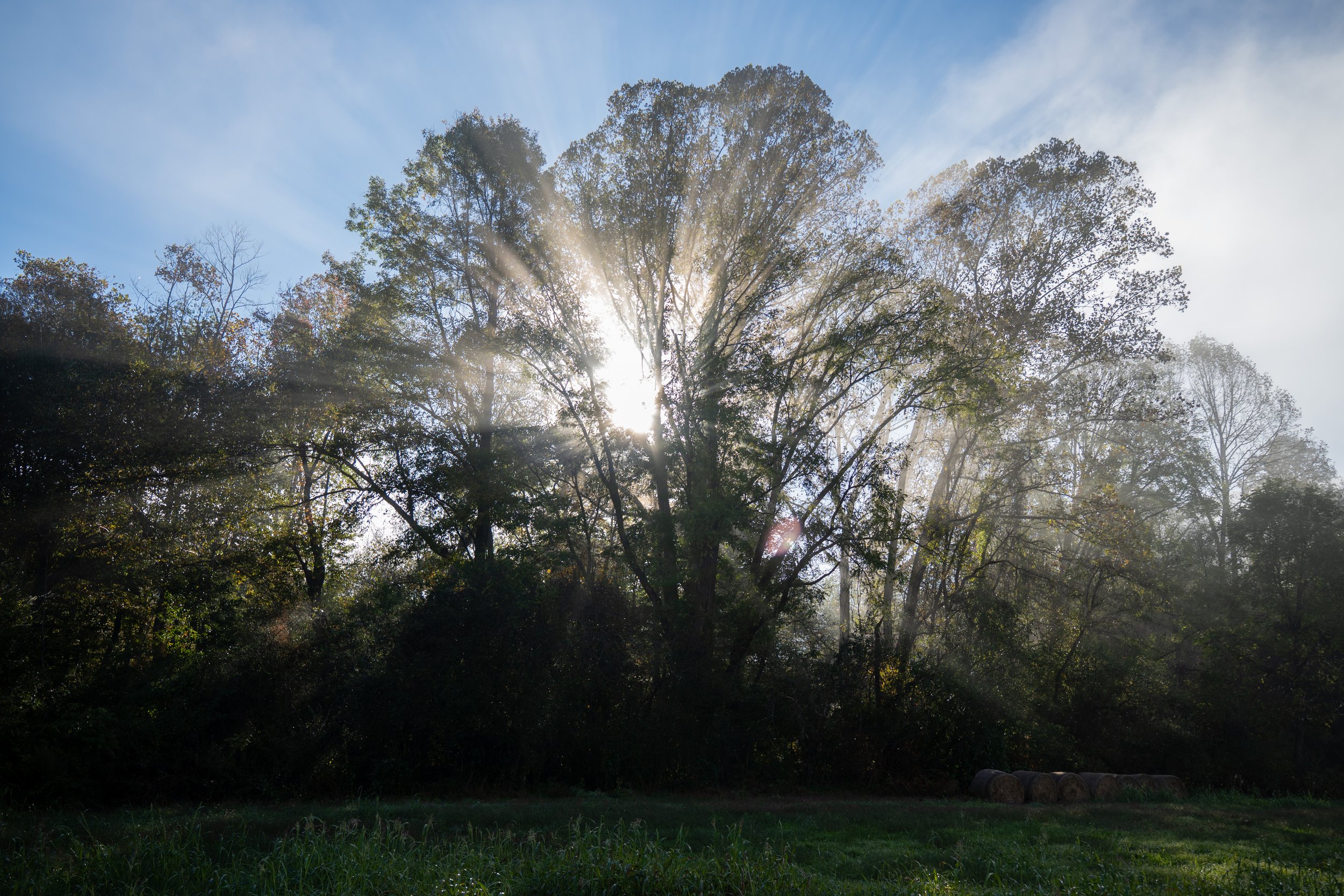
Cherokee Ecological Knowledge: Family First Community Climate Resilience Project
The Center for Native Health (CNH) is launching a community-based climate resilience project to address the growing risks of wildfires, extreme heat, and flooding facing the Eastern Band of Cherokee Indians (EBCI).
With support from the Appalachian Trail Conservancy’s Wild East Action Fund (WEAF), the project will blend Cherokee Ecological Knowledge (CEK) with climate science to strengthen local preparedness. Scheduled to begin in early 2026, CNH will partner with regional land trusts to gather community input on cultural burns, air and water quality, and flood mitigation.
The project will lead to a pilot initiative empowering EBCI families and youth to respond to climate threats, uphold Cherokee cultural traditions, and support long-term stewardship of the Appalachian Trail landscape.
-
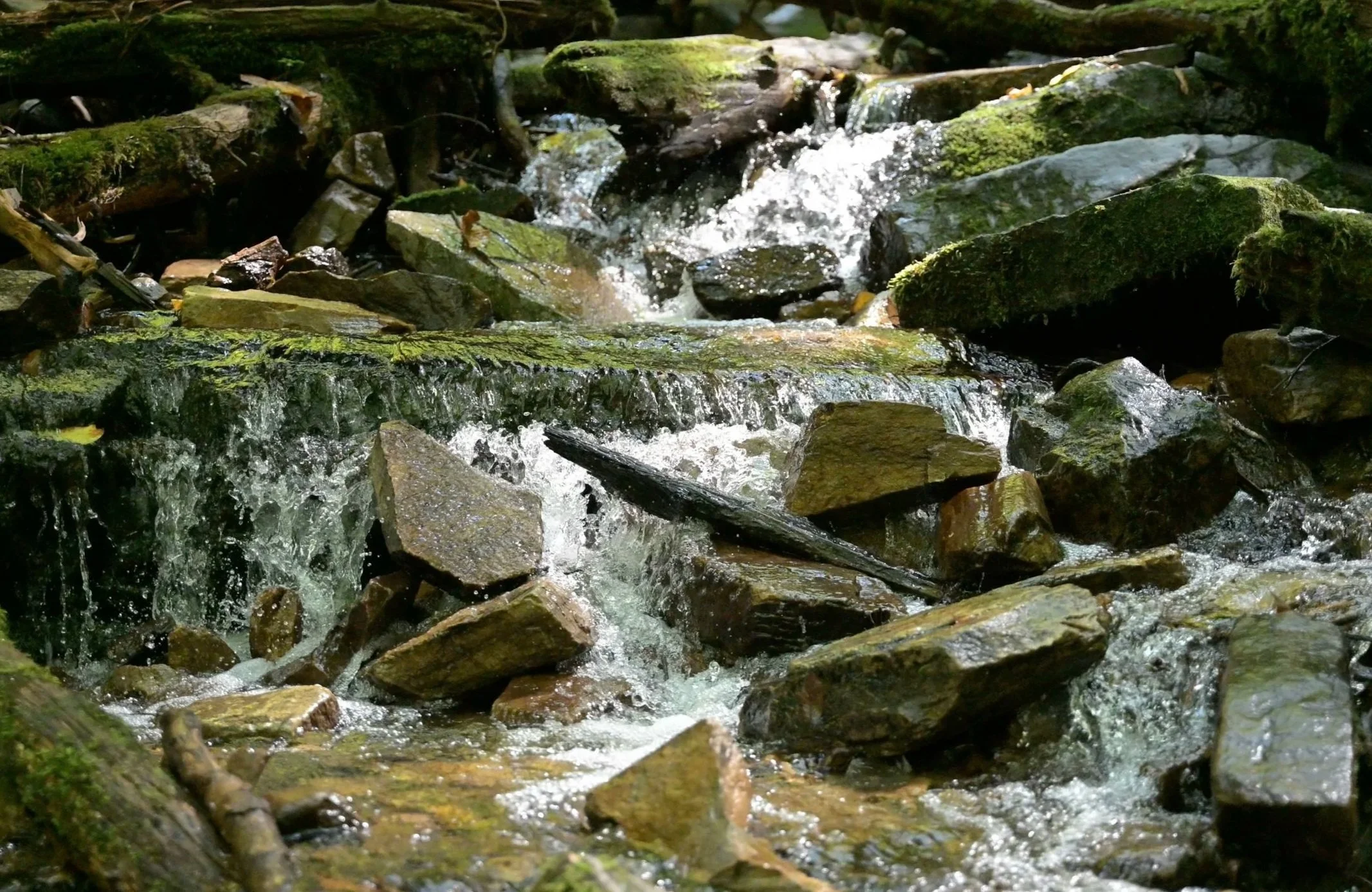
Equitable Water Monitoring Program
Funded by the Robert Wood Johnson Foundation, this pilot project promotes equitable water and land stewardship on the Qualla Boundary by centering Traditional Indigenous Knowledge Systems (TKS), including Cherokee Ecological Knowledge (CEK).
In collaboration with the Eastern Band of Cherokee Indians (EBCI) community and key landholders, the project will pilot the use of traditional knowledge in policy advocacy and stewardship practices. By braiding Indigenous knowledge with modern environmental science, the project aims to model a sustainable and equitable land and water management approach that can guide other communities in the future.
-
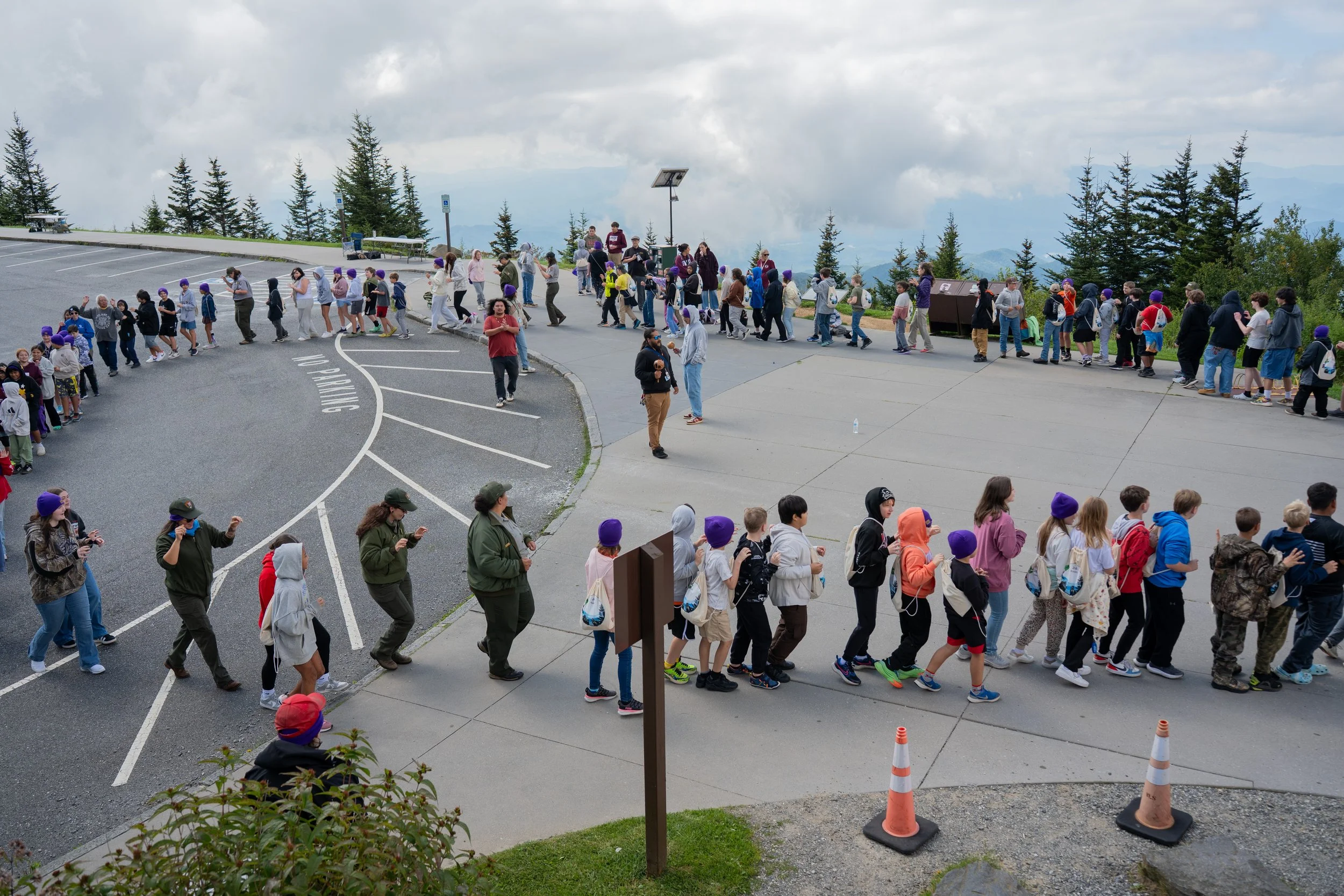
Kuwohi Connection Days
The Center for Native Health (CNH) is excited to serve as the community host for Kuwohi Connection Days starting in 2025. Designed for students from surrounding schools, this event is made possible through close collaboration with key local partners.
-

Medical Careers and Technology Pathways.
MedCaT is an academic-community partnership between the Maya Angelou Center for Health Equity, Center for Native Health, Eastern Band of Cherokee Indians, and Mountain Area Health Education Center that creates a structured pipeline to engage Appalachian Rural and American Indian (AI) high school students with multiple resources that support the pursuit of health and biomedical science careers. MedCaT students, also participate in a number of to integrate TEK into their healthcare career preparations, including a Medicine Walk.
-

Youth Conservation Initiative
Provides culturally grounded, hands-on learning experiences that inspire environmental curiosity, leadership, and stewardship. By integrating Indigenous knowledge systems with modern conservation science, CNH bridges these gaps, empowering youth to become confident, capable leaders who can protect and restore their homelands. The program also supports food sovereignty and climate preparedness, teaching youth how sustainable practices can strengthen community health and resilience.
Contact us.
Do you have a question about WIP?
We’d like to hear from you - send us a message!
Upcoming events.
Check out upcoming events that The Center for Native Health will be hosting, participating in, sponsoring, or contributing to. Subscribe to join in!